1901
The grounds of Crystal Palace Park were used for motorsport as early as 1901, when the English Motor Club organised a speed trial there.
May 1927
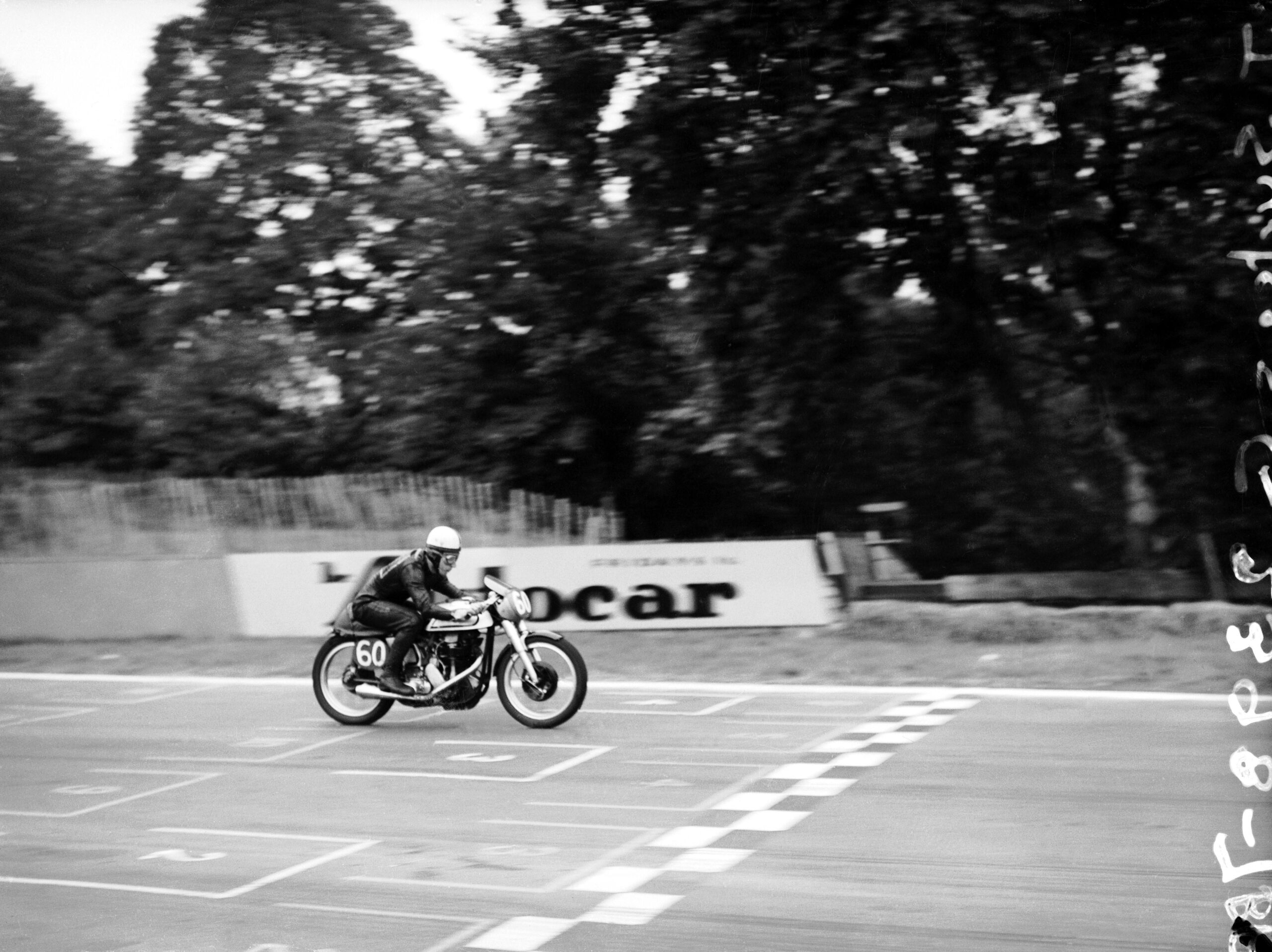
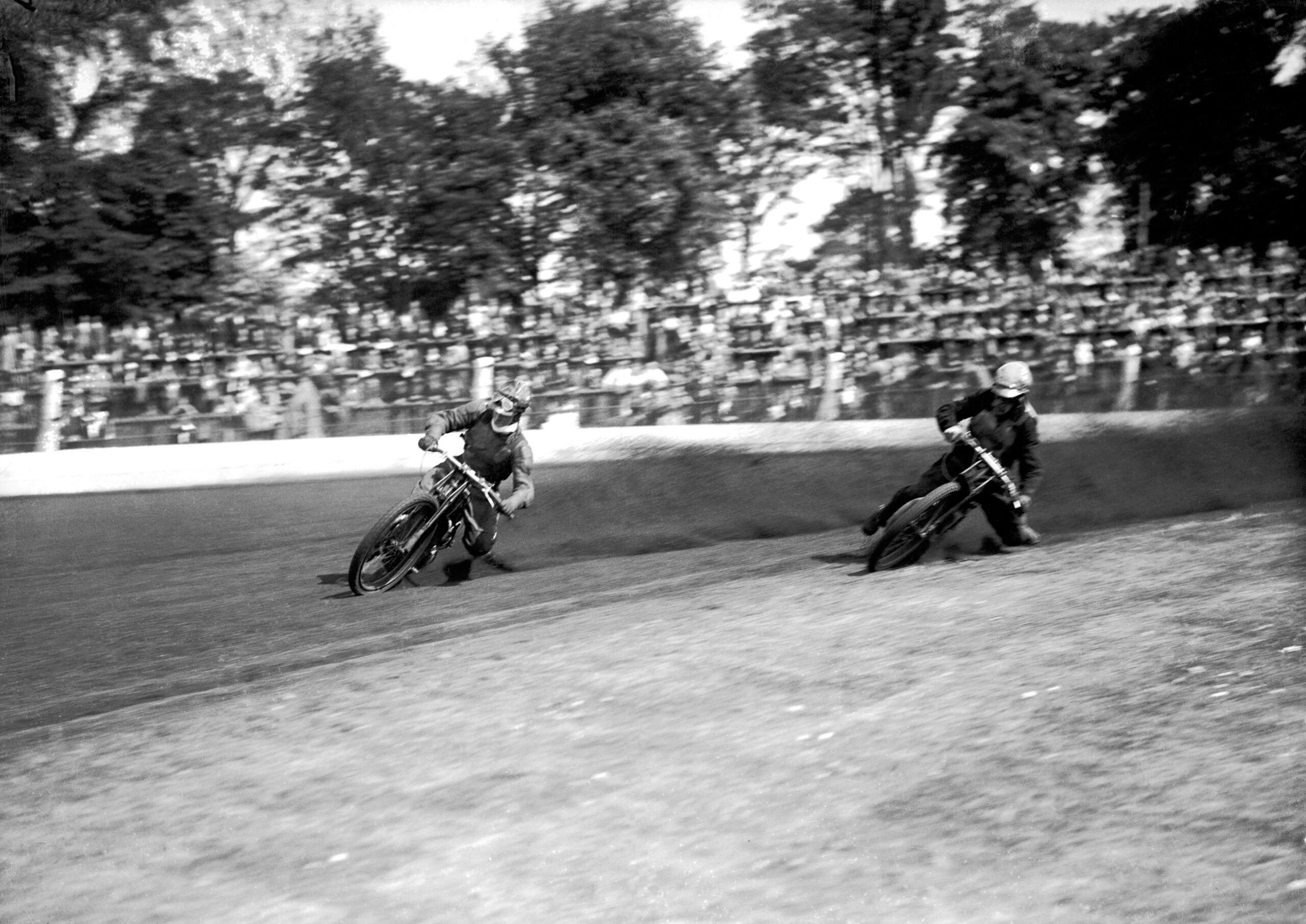
First ever organised motorcycle race at Crystal Palace circuit. The circuit was simple 1 mile layout using existing park paths with tarmac covered bends and hard packed gravel straights, and the event attracted over 10,000 spectators
Late 1927
Two further motorcycle meetings in 1927 (6 August and 17 September), audience rose to 15,000 and 17,000 respectively. By end of the season, solo lap record was around 1 min 56.0 secs
1928 – 1929
A few more meetings: in 1928 two events (crowds ~17,000, 14,000), in 1929 one meeting despite rain; lap records improved (solo record 1 min 50.6 secs)
Early 1930’s
Motorcycle racing at the circuit paused (likely due to rise of the nearby speedway circuit), but the park still hosted motorsport in other forms; occasional revival meetings in 1933–1934.
1936 – 1937
Major upgrade: work began to extend and resurface the circuit — from 1 mile gravel-straight layout to a full 2-mile tarmac circuit.
May 1937
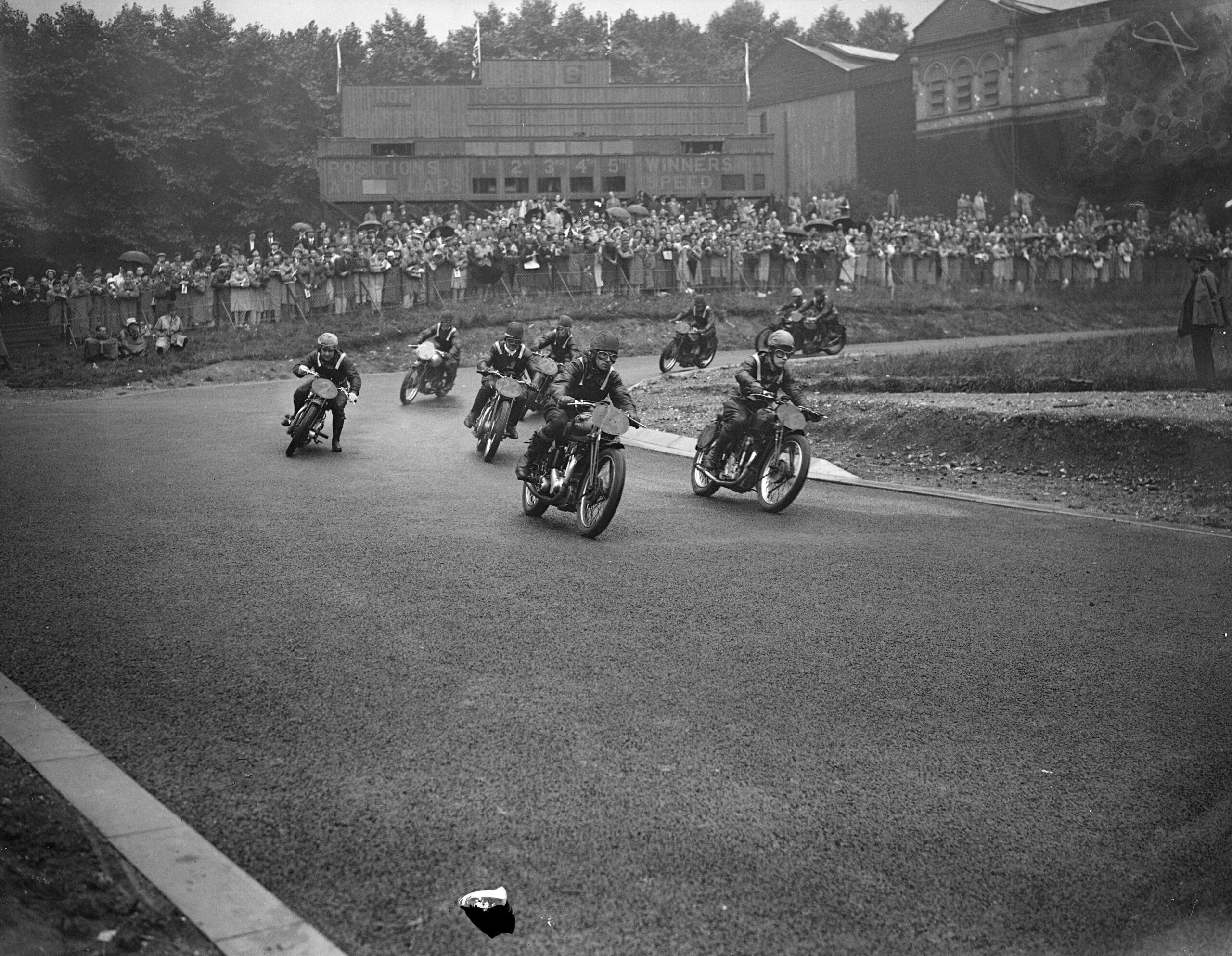
First motorcycle meeting on the new (2-mile) layout — the “Coronation Grand Prix”.
1937 – Pre WWII
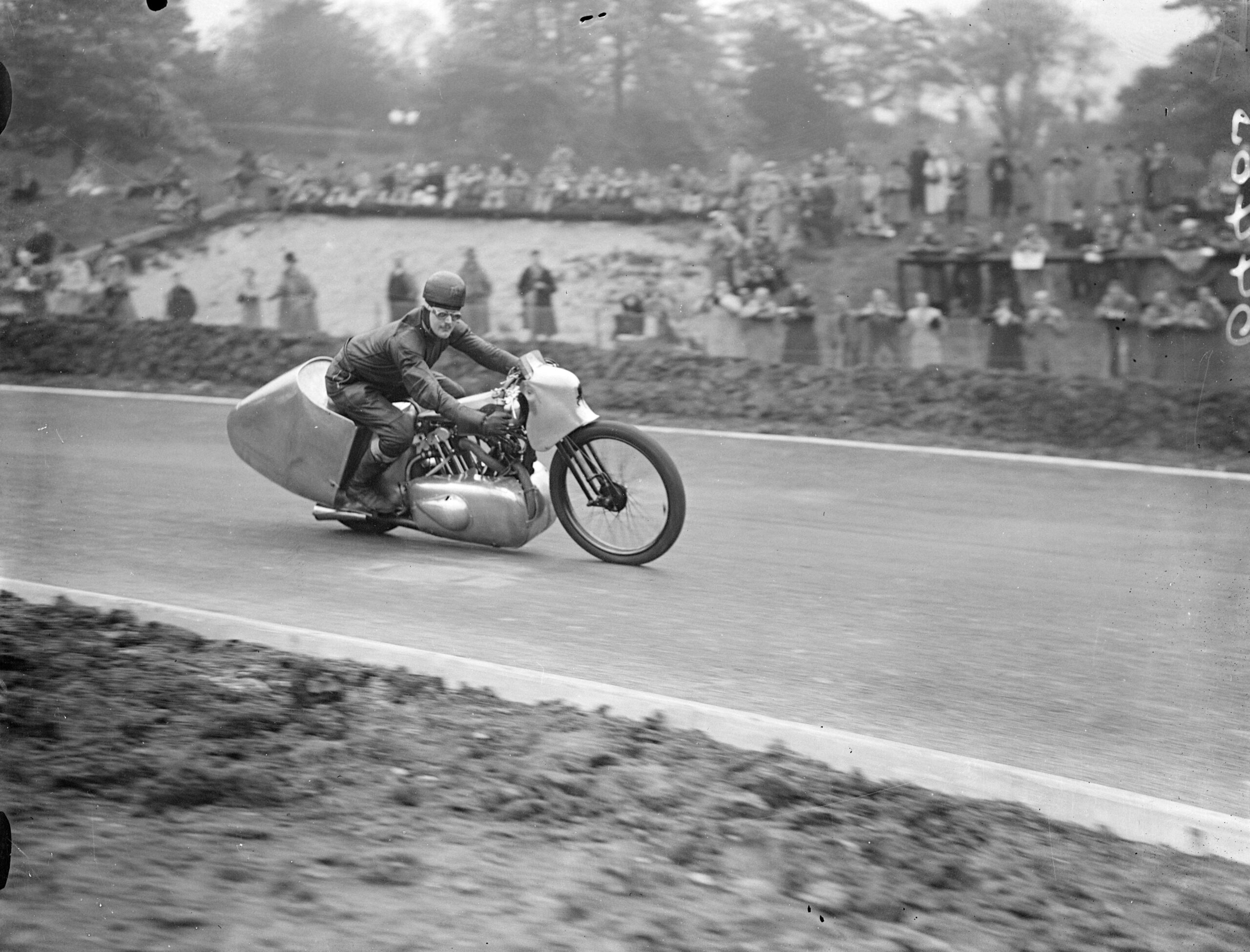
In the years before WWII, many of Britain’s top riders competed there (e.g. Harold Daniell, Jack Surtees, Stanley Woods, among others).
1939 – 1945
(WWII) – Racing ceased — the park was requisitioned by the government (Ministry of Defence)
1953
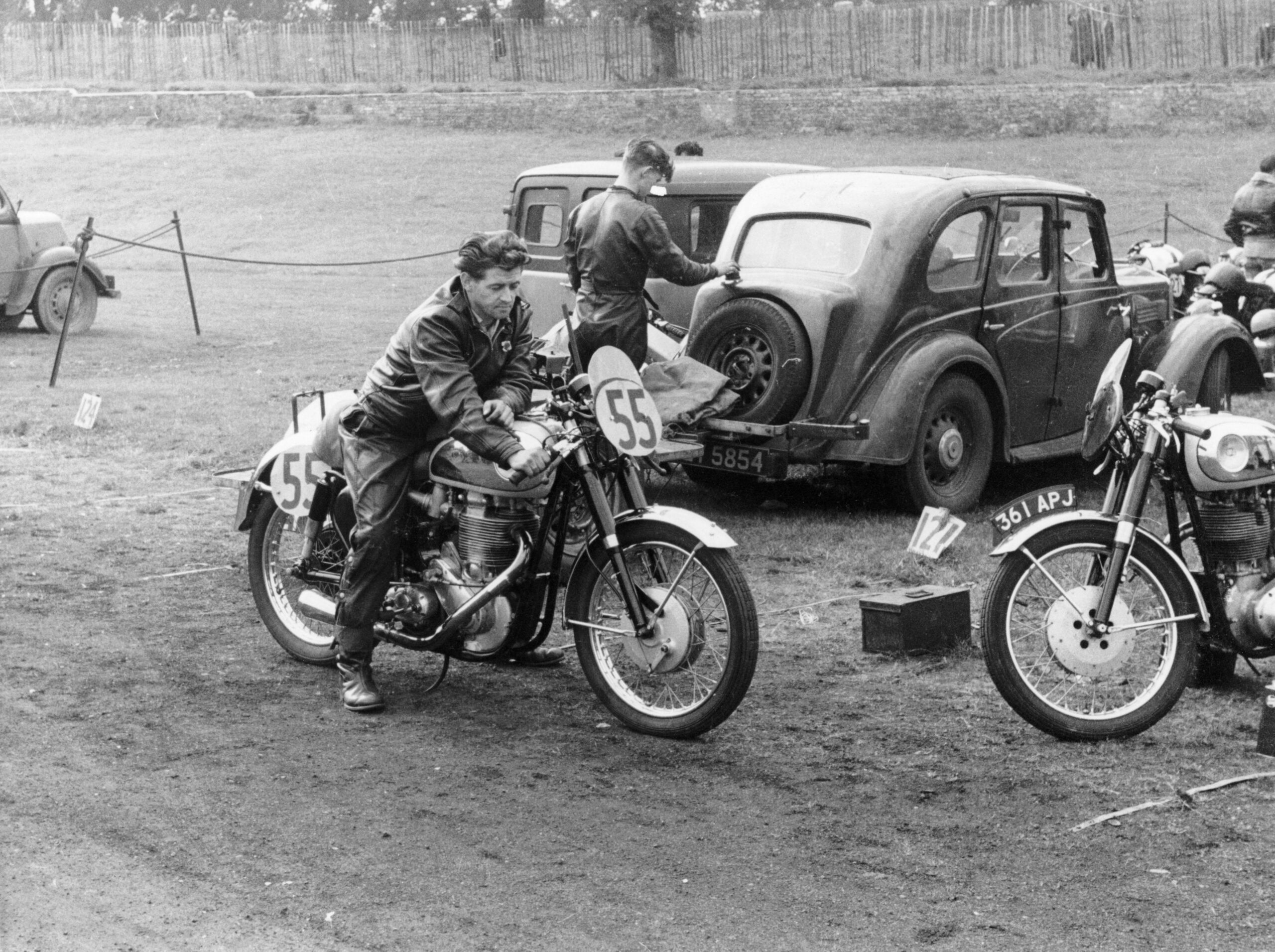
Post-war restart: circuit reopened — but with a shortened layout of 1.39 miles, bypassing the infield lake loop. First post-war motorcycle meeting: the very first race flagged was supposed to be 10 laps, but the starter mistakenly flagged at 9 laps. Lap speeds leapt — from prewar under 60 mph to ~71.5 mph.
1950 – 1960
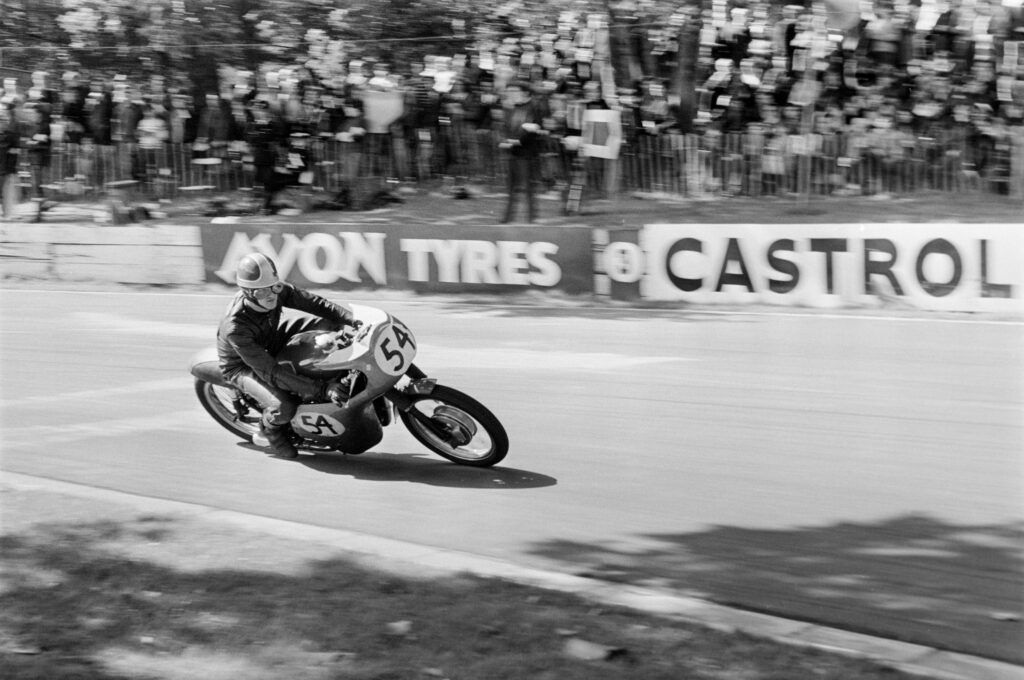
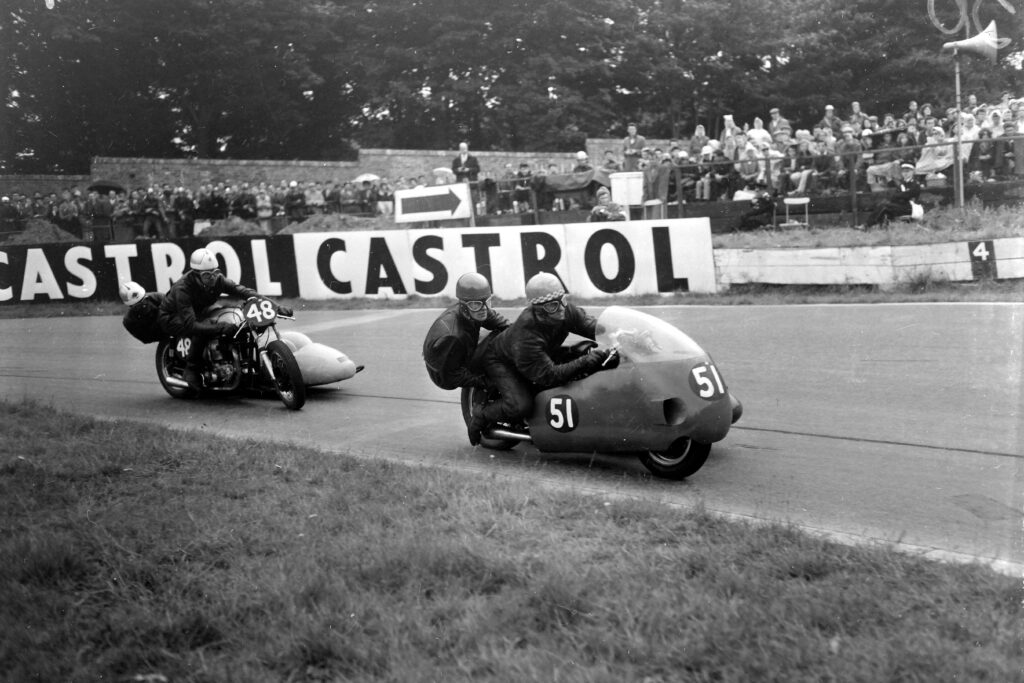
While during this period the circuit became better known for sports cars, single-seater and touring-car events, motorcycle and club-level bike racing remained part of the activity.
1960
Infrastructure change: start/finish line moved to the “Terrace Straight” due to park developments (new sports facilities).
1970
First 100 mph lap average recorded at the circuit (by a car driver — top speeds also underscored safety concerns given the narrow, tree-lined circuit.
May 1972
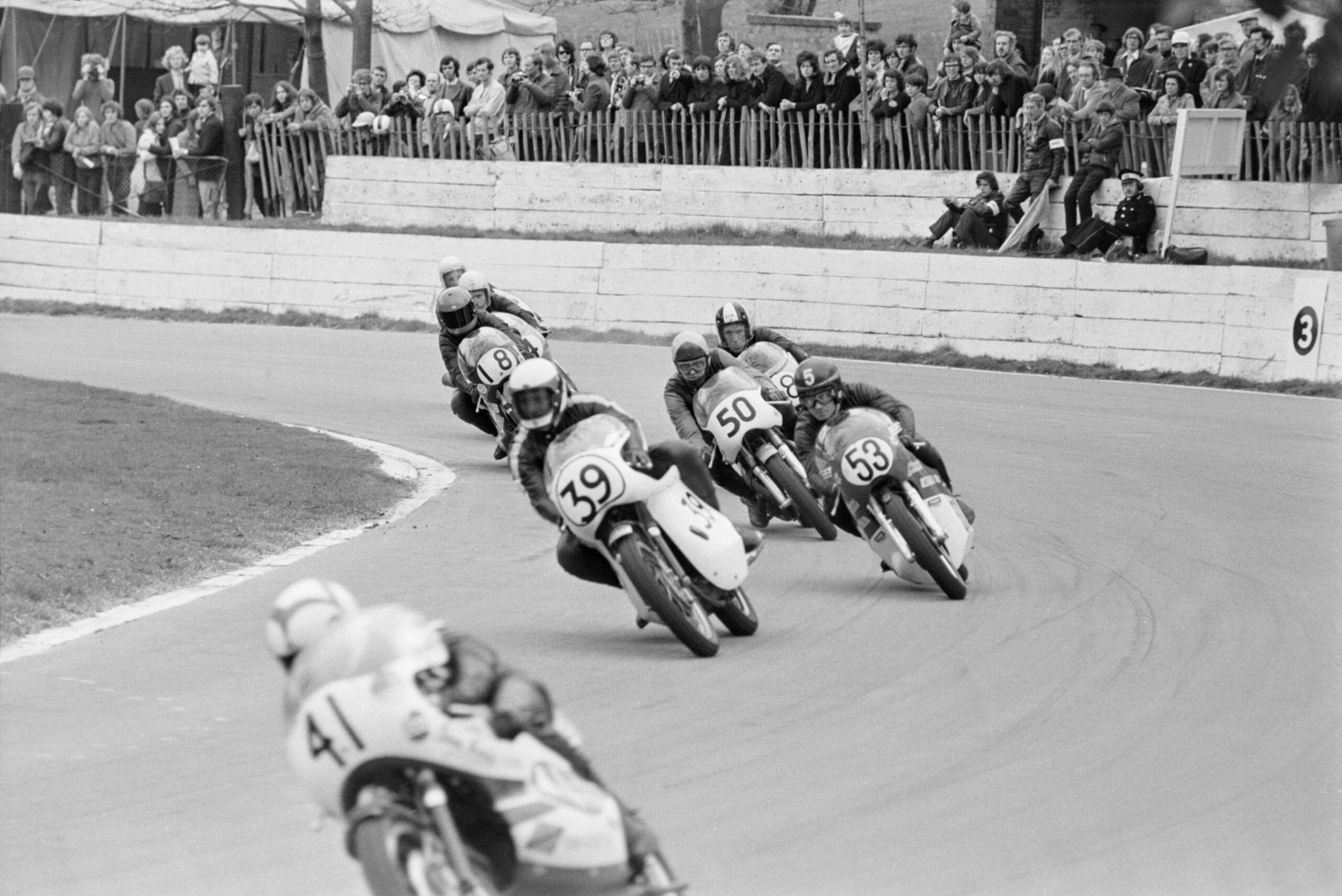
The last international motor-racing meeting at Crystal Palace, including top-class events. The last lap record set: Mike Hailwood clocked 103.39 mph average
September 1972
Final professional race meeting; after that, no more high-level motorsport at Crystal Palace.
1973 – 1974
A few residual club-level events continued until final closure in 1974.
Post 1974
Circuit fell into disuse; much of the track gradually reverted to park paths, access roads, or was repurposed.
1997 – 2000
A partial revival: club / sprint-style events were organised using sections of the old circuit (not full races), by Sevenoaks & District Motor Club
2010 – 2019
After negotiations and development works, sprint/racing-style events resumed annually (or near-annually) on parts of the old track.